Wednesday, July 13, 2016

Irish Food - It is a whole new story

If you are going to be walking, you must have fuel.

When I first traveled in Ireland I lost 15 or 20 lbs. OK. I walked a lot. I was on a tight budget. I saved part of breakfast to eat at lunch. But the food in Ireland seemed to enjoy a well-earned reputation for being bland and boring.

Not anymore.

BREAKFAST:

Irish breakfasts were (and still are) ridiculously heavy, but delicious. Here is a quick list of a "traditional Irish breakfast":

2 eggs (usually fried)
2 rashers of bacon (more like our ham)
2 sausages (unlike any breakfast sausage you have ever tasted)
1 slice white pudding (oatmeal and pork stuff) grilled
1 slice black pudding (blood sausage - like white pudding, but with blood too) grilled
grilled tomato
2 slices white toast
Irish soda bread (HEAVENLY)
Butter
juice
tea
corn flakes or oatmeal (porridge)

It is easy to see how a traveler could eat all the sausage and such, then butter the bread and save it for lunch.

Now one can get alternatives and there are additionally fruit, yogurt, cheese, and scones served at breakfast. Some places even fix eggs with smoked salmon. Really.

I hate to choose best of anything as we were so well fed and cared for, but I must say the best scones at a hotel were at the West Cork Hotel in Skibbereen. The best B&B scones we found at Ashgrove House B&B in Bunratty. Sheila carried them out to us still warm on the baking sheet! [BTW - we could have stayed with Sheila and Frank forever - lovely, lovely couple!]

Perhaps the most traditional of traditional (except for the eggs - usually fried)
Most scones were so good I was carried away before I grabbed a shot.
Sausages with a kind of souffle of scrambled eggs.
The toast racks always make me laugh - I just think they are odd. Some are even in beautiful porcelain patterns. This is really more than enough breakfast, but we did not stop!
Scones and fruit.
Eggs Benedict (DH is a fan)
My modified Irish breakfast. Have I mentioned the scones?

OTHER MEALS:

Hmmm. "Back in the day" I ate a great deal of soup (as it comes with soda bread and butter) and fish & chips. There was also potatoes, ham, and cabbage (boiled), shepherd's pie (casserole topped with potatoes), lamb chops with potatoes, really awful curry (with potatoes)...um, how about some potatoes with those potatoes?

You do still see a good deal of potatoes (yum), but there has been a huge transformation in Irish cuisine. Maybe it is me - Is the difference simply traveling with grown-ups and credit cards? In any case, we ate like kings. We still had our fair share of soup and brown bread. I don't think there is a better quick and hearty meal. But we also enjoyed other extraordinary food.

Soup with brown bread (and Irish butter)
Chicken "goujons" -a fancy way to say chicken strips, salad, and seasoned potatoes (of course).
Fish and chips and mushy peas (enough fish for two, really).
At our table some were sharing.
Grilled fish on mashed potatoes with a lemon sauce (maybe - my days are blurring)
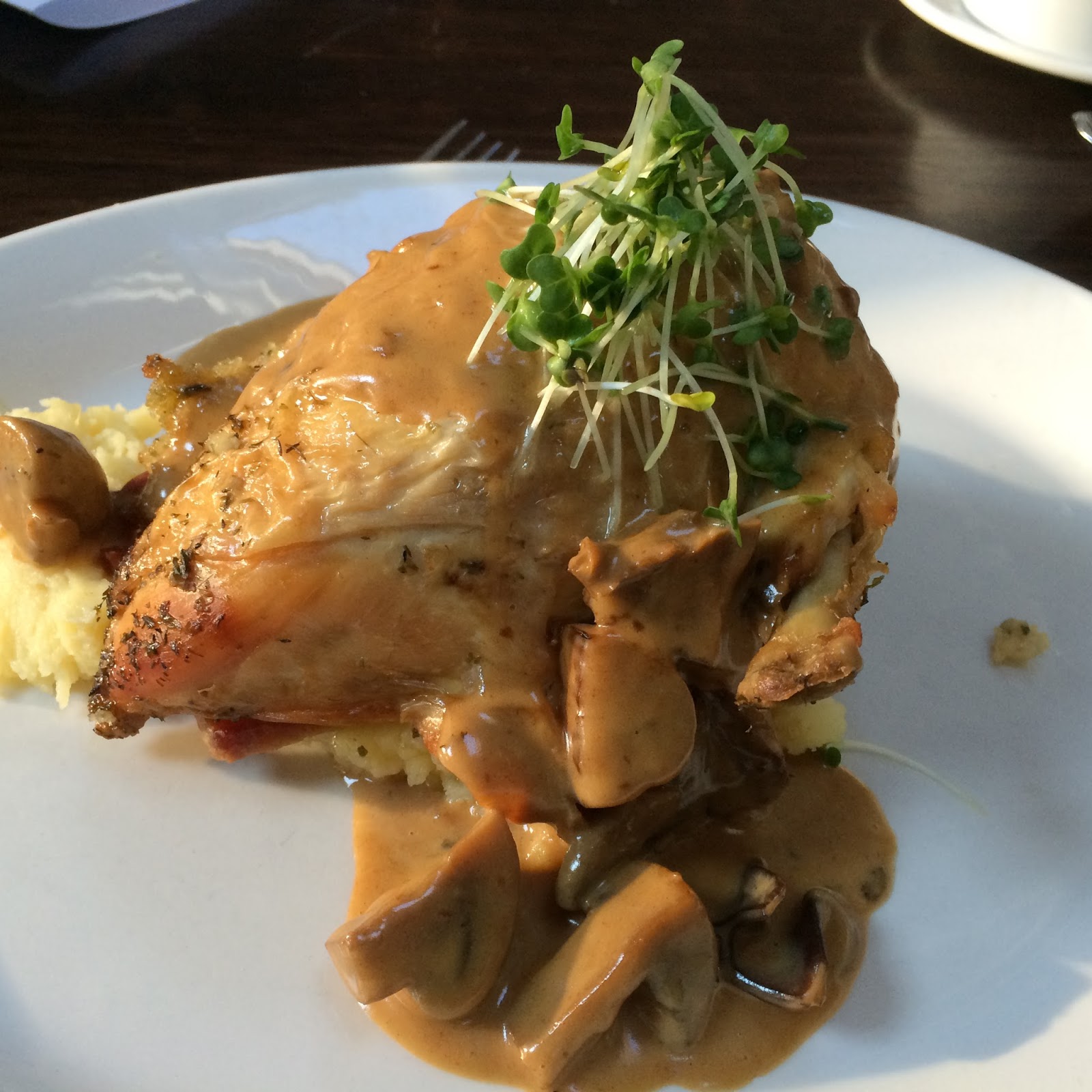
This may have been a chicken Kiev on mashed potatoes - or some other delicious chicken dish.
THE BEST crab sandwich EVER! Part is missing as I shared with DH, the man who was afraid to order it. This was the freshest crab I ate on the trip. I would go back just to have another of these. [O'Sullivan's Bar, Crookhaven, County Galway]
Seafood platter - DF ordered this and shared the mussels with us. It was yummy.
DH ordered potato ravioli. It was like potato stuffed potato pasta. He LOVED it.
Pasta with tiger prawns. Um, yeah!
Crab claws in butter sauce. Hello!
More fish and chips
Seafood pizza at Dingle Skellig Hotel. Oh, my goodness! Prawns, salmon, crab and such.
We couldn't eat it all.
Ham and cheese "toasty" sandwich and mushroom soup.
Other pizzas were enjoyed, but nothing like the seafood one in Dingle.
Sliders with a cucumber salad.
Nachos (skip 'em) and stir-fried vegetables and prawns.
One of the last meals out - a turkey dinner on a roll...turkey, dressing, sweet relish...needed a little salt. We dined on the banks of the Suir River at the River House Cafe in Cahir.

 DRINK:

We drank a little bit of everything. I stuck with tea for breakfast while DH remained a coffee man. Then it was diet Coke for him and water for me, until time to go to the pub. He's a good fellow and stuck with diet Coke. I tried many drinks - Jameson, Powers, Murphy's Stout, Bulmers Cider and a fruity thing like a wine cooler. The thing is, a band gets paid in the pub only if people purchase drink. So, we were obligated.

I was advised that "them what know" prefer Murphy's to Guinness. I was quite happy with my Murphy's. I tried a Tom Crean and couldn't finish it...I'll have a Murphy's.

That's a huge gin and tonic in the back.
A number of folks were wine aficionados. I generally stuck with whiskey.
See how pretty that Bulmer's is? It was fairly heady as well.

DESSERT: 

The Irish love tarts and ice cream and pavlovas. We did not generally order dessert. But when we did, we were not disappointed!

Creme brulee
The first of many pavlovas
Apple rhubarb tart with whipped cream!
Last dessert served the last night in Doolin - tiny bites - pavlova, cheesecake kind of thing, rich chocolate.

 
NOTE: I will edit this as the locations come to me (or I am corrected by my fellow travelers). Clearly we ate well and had many choices. One of our fellow travelers took photos of the menus. What a brilliant idea! Still, I am not sure my mouth waters as much as with a photo of a slice of soda bread and Irish butter.

And even though I walked an average of 4 miles a day (and some days many more than that), I didn't lose an ounce.


Irish wildflowers, ferns, gardens, forest walks...

                Once more had come now the miracle of the Irish June. 
                Yellow of gorse: red of clover; purple of the Dublin Mountains. 
                Everywhere the white of the hawthorn; 
                there would be a hard winter coming, the gloomy farmers said, 
                so much of it there was. 
                And wherever a clump of trees were, 
                there grew great crops of bluebells. 
                And the primrose lingered, 
                who should have been gone three weeks and more. 
                And over the white roads the trees met, 
                elm and ash and sturdy horse-chestnut, 
                making cool green tunnels, like some property out of a fairy story.

                    ~from Hangman's House by Donn Byrne


On every walk we were greeted by wildflowers - on the roadsides, in the ditches, along and atop the walls, nestled in hollows, and clinging to cliffs. Some seemed familiar while others were new to us. Some were garden plantings gone wild (fuchsia, Japanese knot weed, false rhubarb and others).

We finally bought a book to assist us with identification. I suppose I will look things up - eventually. For now the photos of walks will be shared as best we can.

It seems that any spot of soil, any crack in a rock can support some kind of moss/plant/flower. The entire trip was lovely.

Perhaps the highlight of the flowers (how to choose just one?) was seeing orchids in The Burren. I had read about orchids there, but one cannot travel in the dead of winter and expect orchids. In mid-summer - magic!

So, here are the flowers, ferns, trees, and other growing things. I will identify as time goes by, for now, just come along and enjoy. There will be some repeats from different locations. I've mixed up wild and domesticated plants throughout (because a wildflower is sometimes just a garden plant that escaped. Bear with me.

Mention will be made of the "invasive species" we encountered. And there will likely be more than a few insects and birds observed here and there. They too may be hard to identify beyond the herons and gulls we know.

Many of the gardens - cottage gardens, public parks, castle grounds, and others were full of perennials. Some of the castle grounds have plantings from around the world as collecting plants was very popular (and one way that invasive species were introduced to Ireland.


Maidenhair Spleenwort Ferns along the cemetery walls, Adare, County Limerick.

It is similar to the maidenhair fern here. That is what I would have called it absent help.
Fuchsia - red and purple (center)
More fuchsia
This looks like Queen Anne's Lace to me, but I think it is hemlock...
...there is a huge difference between wild celery (Queen Anne's Lace) and the highly toxic hemlock. I always reassure DH that I do not forage for herbs in the woods.

This looks like some kind of mahonia. I don't know. It is holly-like with a purple fruit.
Any ideas?
Rain clings to a geranium bloom.
Tide was out at a quay in Skibbereen. Water plants.

More green clinging to the walls of the quay in Skibbereen.
Skibbereen Town plantings.
Is it a thistle or a knapweed? It's a thistle. Knapweeds don't have the prickles/stickers of the thistle. I believe the knapweeds are like our basketflowers.
Honeysuckle
Fuchsia - a garden plant, fuchsia has escaped to the countryside and is everywhere. Hard to grown for many, fuchsia seems the perfect plant for Ireland and loved by the bees who can access the blossoms in spite of the regular rain. We saw many varieties and so a goodly number are pictured here.
Navelwort. Really! I love the name of this plant and saw it in many locations. It often grows on rock walls (cliffs and stony banks).
Another navelwort among the brambles.
Navelwort - it's a pretty plant - couldn't they have called it green bells or something a bit sweeter?
Stitchwort [Why all the "wort" names?]
The navelwort is known for growing atop and out of rock walls.
Another view
Public park and garden, Glandore, County Cork
Bell heather (?)


Potatoes in the field. You knew there would have to be potatoes. [On my first trip here I remember seeing piles of freshly harvested carrots and parsnips on the side of the road. Or maybe that was a dream.]

So often the entire rock wall is obscured. This is a sweet spot with a little bit of everything -  the sun on the ocean too.

The thistles were just starting their bloom.

Imagine how they looked in a week or two.

Red clover (there are so many varieties of clover here).
One of many fern varieties.
Ivy
Orchids in the Burren. ORCHIDS. I believe this is the common spotted orchid. They aren't common to me.
Orchid! [Common Spotted]


A vetch or pea of some kind
Hedge Veronica

This Veronica was in a garden, but seeds freely and has escaped into the wild as have many garden plants.


Coole Park:

I want to live near the woods of Coole Park. I would walk here every day.
There would be a legend about the crazy woman of Coole Park.


Yellow poppies
White/pale pink fuchsia
Very different wall flowers.


Daisies in full "misbehavior."
A sage.

Some views of the Castle gardens in Portumna:


Artichokes?
A bumble bee found these flowers.
Espallier apple trees
honeysuckle
In many graveyards we found beautiful plantings, Adare, County Limerick.
Ferns and toadflax (a great name!)
Planter of gazanias, verbena and others near the park in Kinsale, County Cork
I have never seen a gazania this color.
Verbena with asters behind.
I think this may be Fox and Cubs or Orange Hawkweed
Sea holly (it looks like something I would fall into on a walk).
Sea-holly (will bloom blue)

I believe this is the foxglove we saw everywhere. It is another escapee from formal gardens and is found all over along the roads.
Moss and lichen on a standing stone.
This fern was thick and ran all along this fencing.
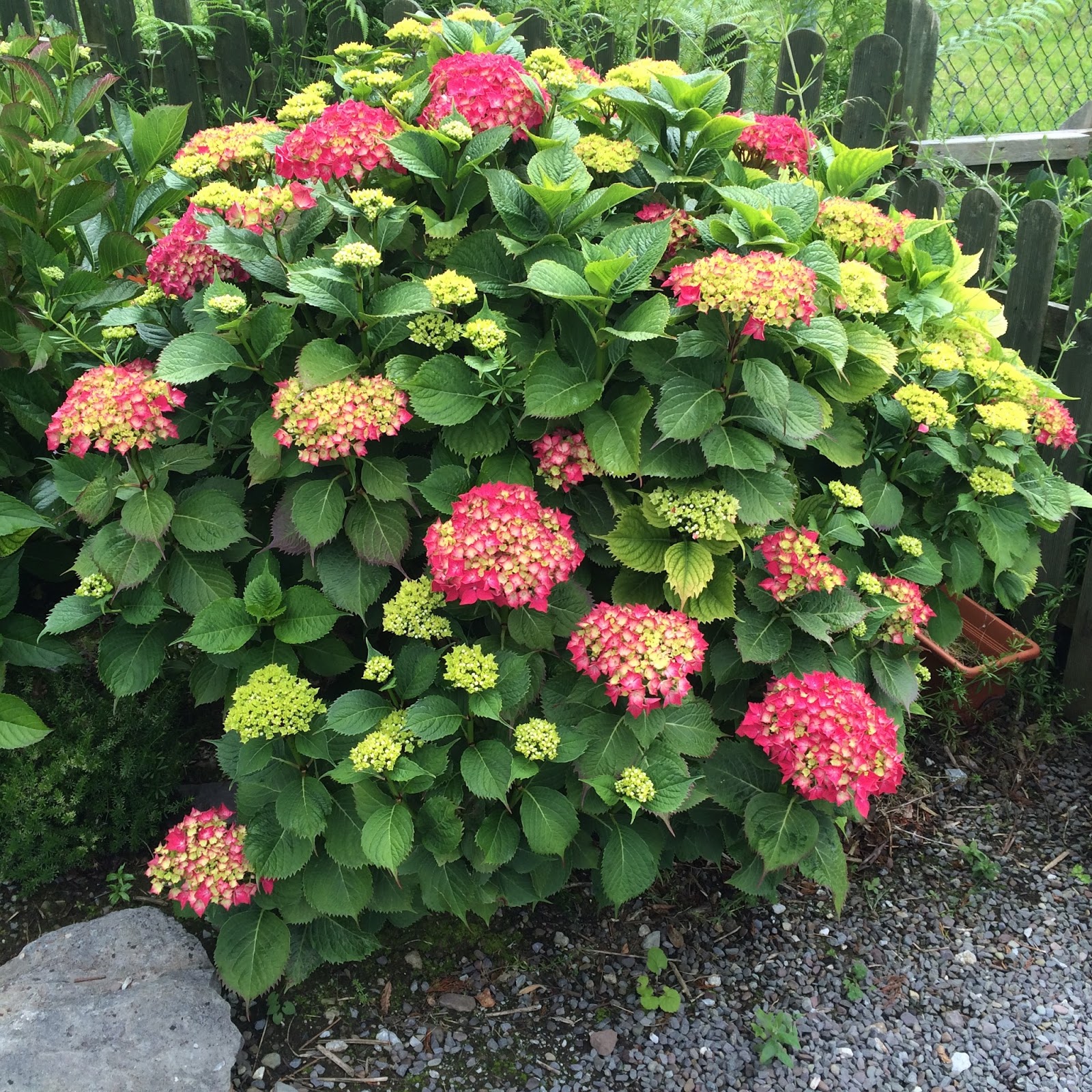
Hydrangea blossoms...
...from this shrub. These will not grow where I live. Perhaps this is one reason I love them.
If one has no yard, plant a window box (Kenmare, County Kerry)
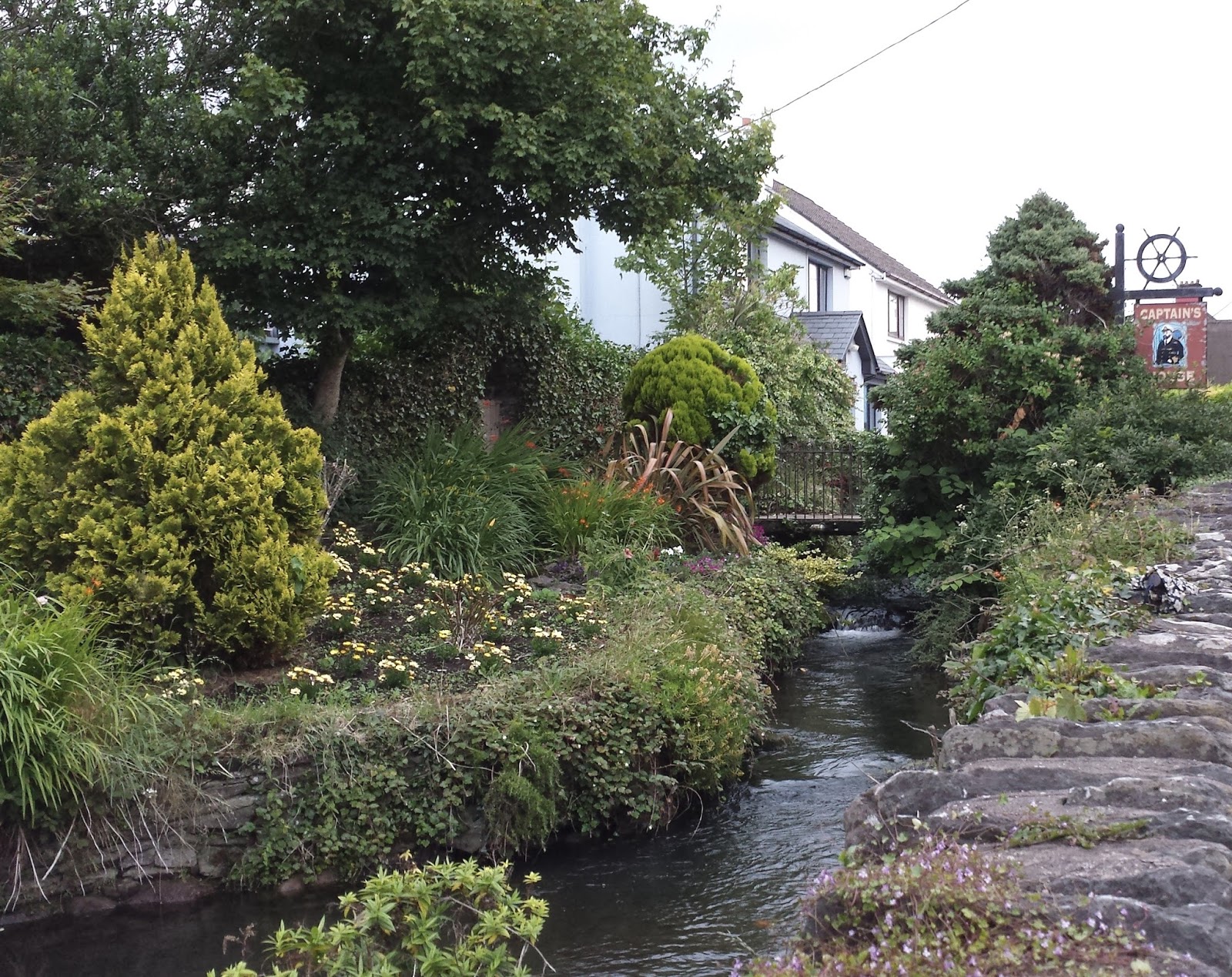
Garden along the old millrace in Dingle.
More gardens and plantings in Dingle Town. Wouldn't you love to have a house over the millrace?

One last view along the millrace.
daylilies
Crab apples in the churchyard, Dingle
I'm fairly certain this is one of the many varieties of buttercup. They were blooming almost everywhere - along the lanes, in the meadows, and at the base of standing stones.
This is a different flower - not our toadflax.
Self-heal (?)

White Clover
Look at this clover blossom. People think of them as common. There is nothing "common" about this. [Now, if I just knew what that tiny blue thing was.]
Pansies
Geraniums glow in this windowbox.
Nasturtiums!
Another variety of hydrangea
Yellow flag or yellow iris in a boggy area just off Dingle bay. Most had already bloomed.
Gardens at the Skellig Hotel at Dingle
Lupines (cousin of the bluebonnet)
Cottage garden in Doolin
Pale pink or white fuchsia
These look like a yarrow along the path at the top of the Cliffs of Moher. Yes, that is the Atlantic in the distance. And yes, I did walk along this path...with great caution.
Look who I found waiting for his close-up


Plantain, Ribwort
Closeup of Ribwort (there's that "wort" again)
Is it a dandelion or a hawkbit. Does it matter? I say hawkbit.

Scabious, Devil's-bit
Profusion of flowers in pots set along a window ledge.
Aster or fleabane? Fleabane [At this point I guess the weirdest name]

Freesia buds
Rosebay Willowherb

Raspberries

Hart's tongue fern and probably Herb-Robert and ivy growing in the "cracks" (grikes) in the Burren.
Bloody Crane's-bill
Bloody Crane's-bill with yellow

Colorful lupines in Ennis, County Clare (yes, more bluebonnet cousins)
Ivy-leafed toadflax just out the third story window of Thoor Ballylee.
The woods along the Streamstown River, at Thoor Ballylee, near Gort, County Galway
Ivy-leafed toadflax
A different leaf on this wallflower
In the books they say that some brambles are blackberries and others dewberries. I am sure they are correct. I'm just calling "brambles"

Cottage in Portumna you can barely tell is there. Only the chimney is free from the surrounding plants. I would fear to keep a yard clear here.
Buttercups and thistles (there are at least 3 types as well as the knapweeds.

"O chestnut tree, great-rooted blossomer, Are you the leaf, the blossom, or the bole?" ~ William Butler Yeats
Horse chestnuts
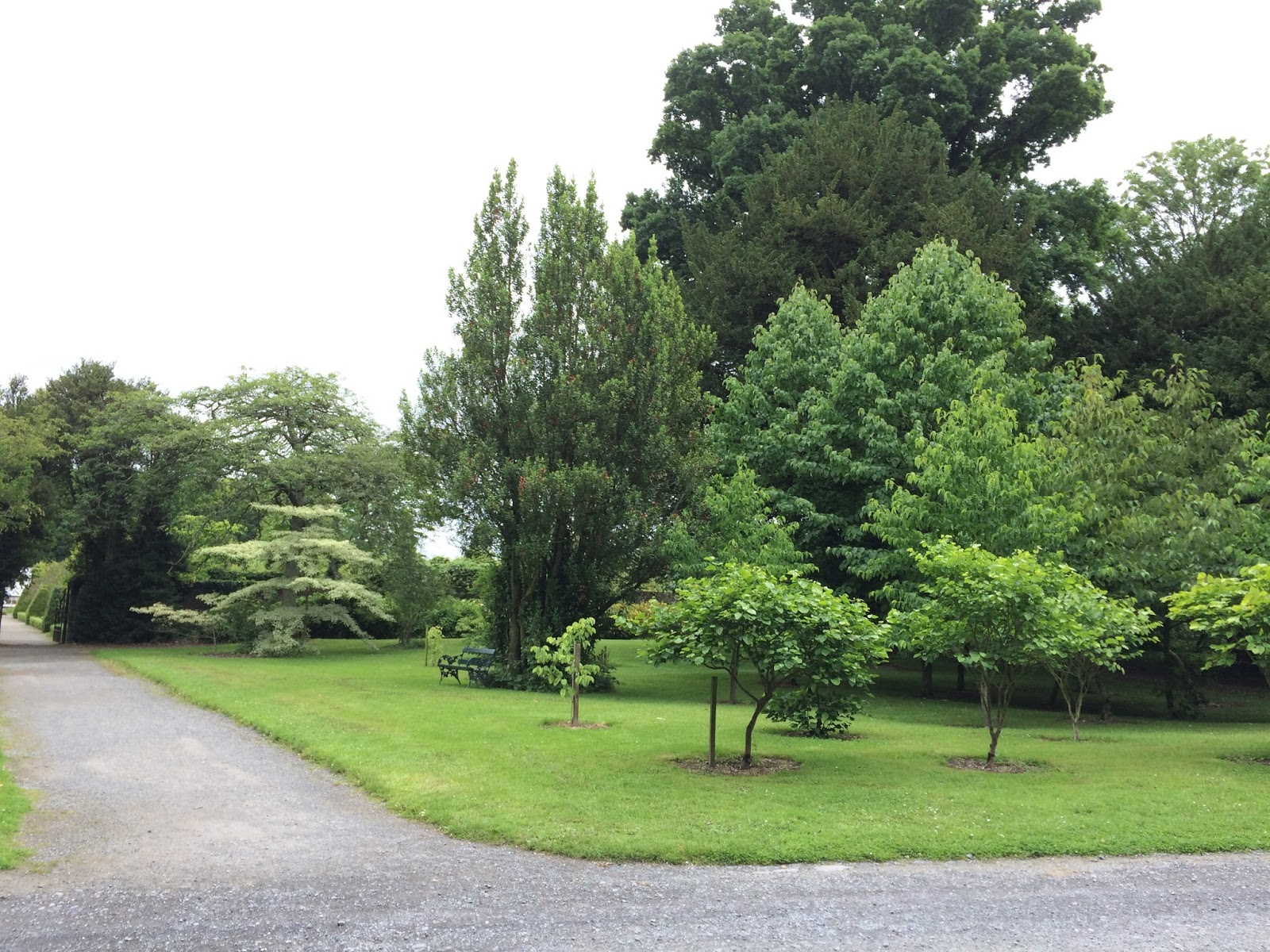
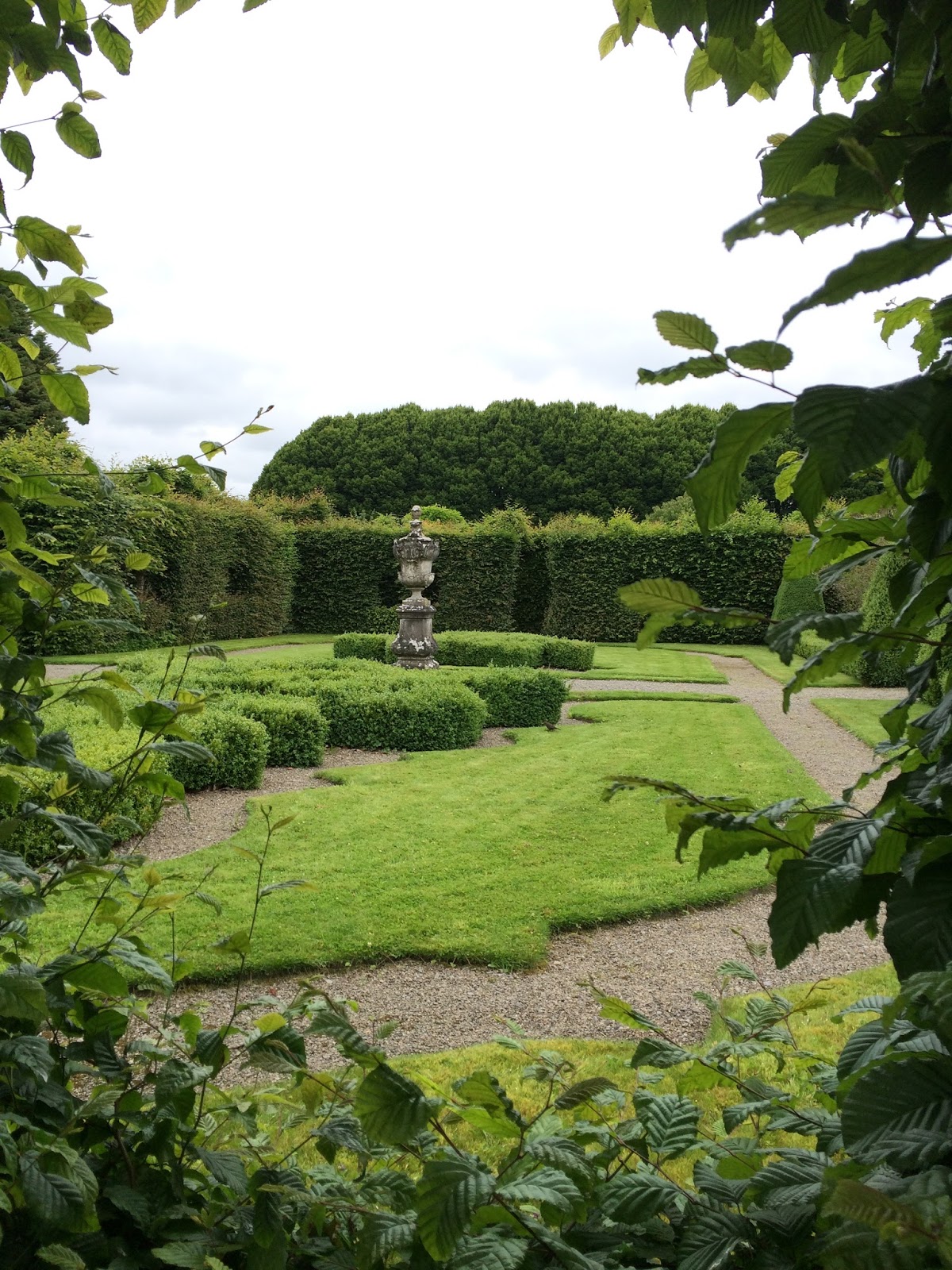
The gardens at Birr Castle
One of the formal gardens at Birr Castle had these beautiful walks.
And sculpted boxwoods.
Hmmm. I am betting more of the toadflax.
A closeup of that sweet-faced flower

Daylilies
A Penstemon?

After friends told me of the trouble with daisies, I began to notice those which were well behaved and contained...
...and those with a behavior problem.

It is hard not to love the fuchsia - in all its crazyness.

Have we mentioned the fuchsia?
More hybrids.
I suppose it is only a matter of time before these hybrids move into the hedgerows.
Allium (maybe Persian)
Yarrow
More daisies
I would call this a greenhouse, but have heard them called "glass houses" over there.
More sculpted boxwoods.
Ivy carpets what I believe is a fairy house in a boxwood pyramid.
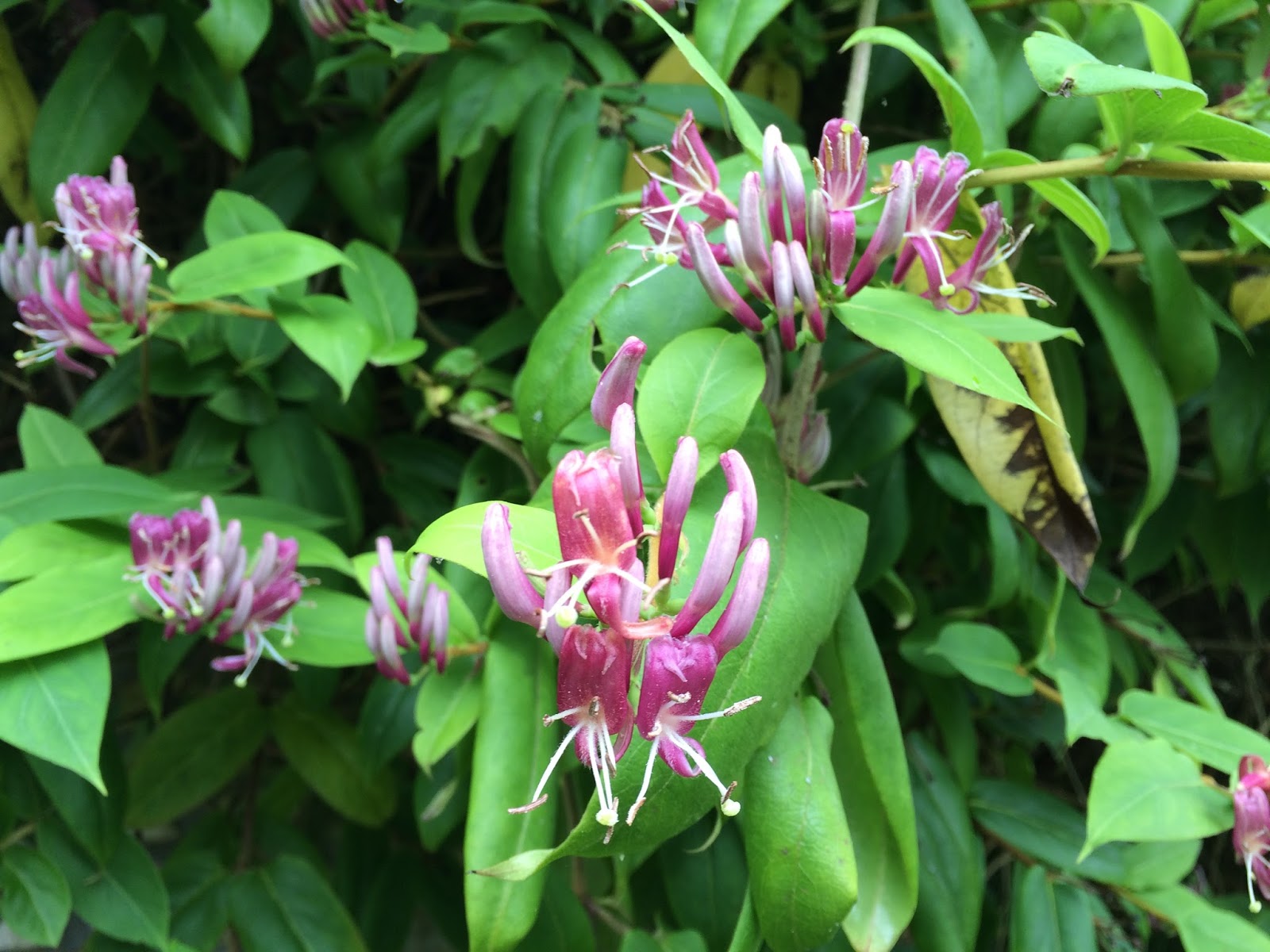
More honeysuckle. I know the white/yellow and coral varieties. I would call this pink or rose honeysuckle.
This may be a honeysuckle bush instead of a vine.
Here is yellow/white honeysuckle.
The walks are so inviting.
Oh heavens! Is it wild carrot? Devil's parsley? Hemlock? Enjoy looking and don't eat it, just in case.

Are these green balled things button flowers?

Birr Castle taking advantage of the stunning gardens.


Red poppies and yellow blooming yarrow
Daylily
Scabious (?)

I've seen a video of someone walking across this suspension bridge. But, without use, the plants take over. I believe that is false rhubarb below - an invasive that is becoming a huge problem.

Field Scabious

Even some of the formal grounds leave room for the wildflowers.
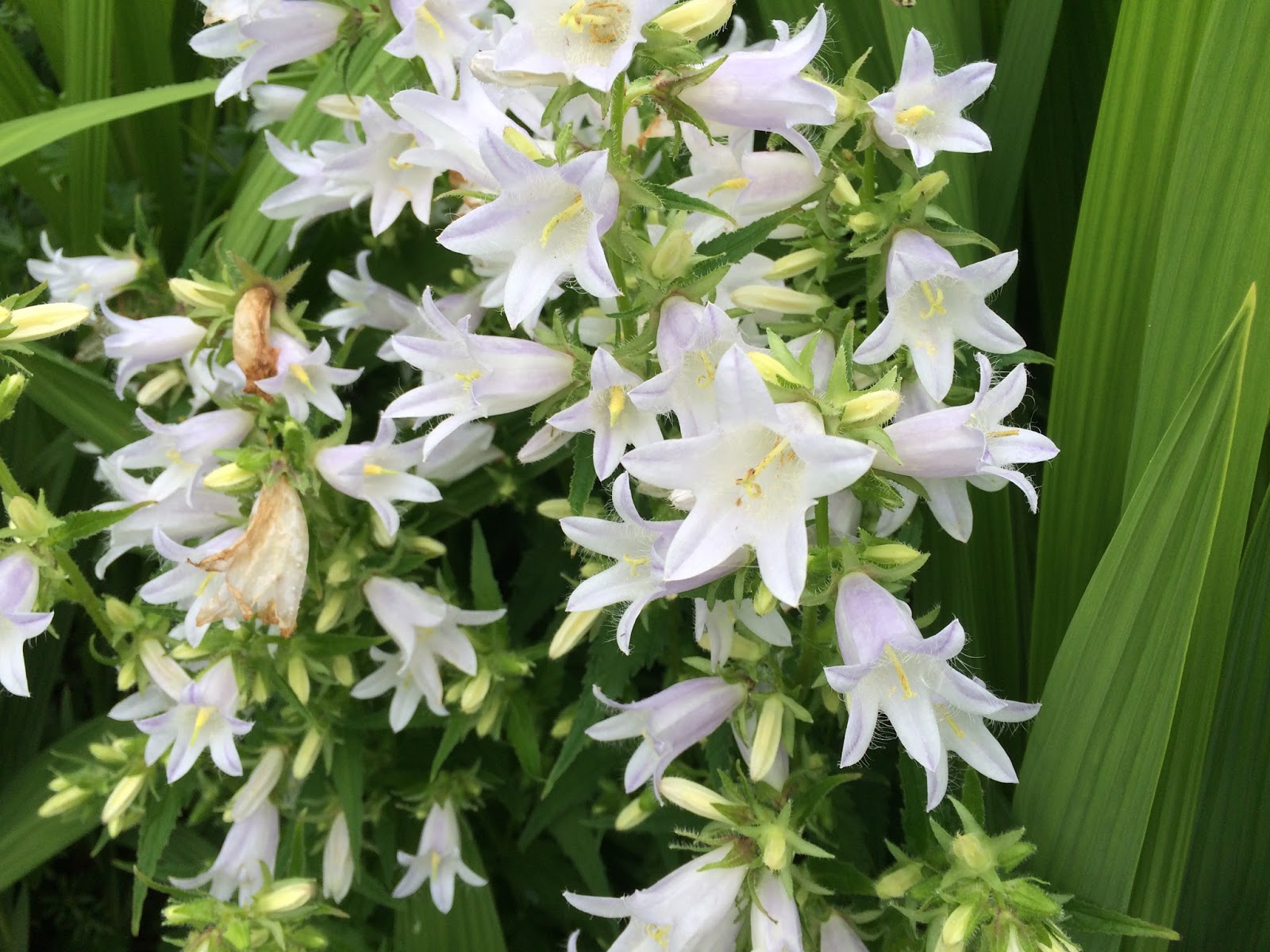
Maybe bell flower.

Even estate gardens cannot protect some specimen trees. Here a giant poplar was felled by wind.

Bumblebee
A bridge to nowhere, but a water/marsh garden.

Yellow bottlebrush tree
Redbud?
A wooded walk.
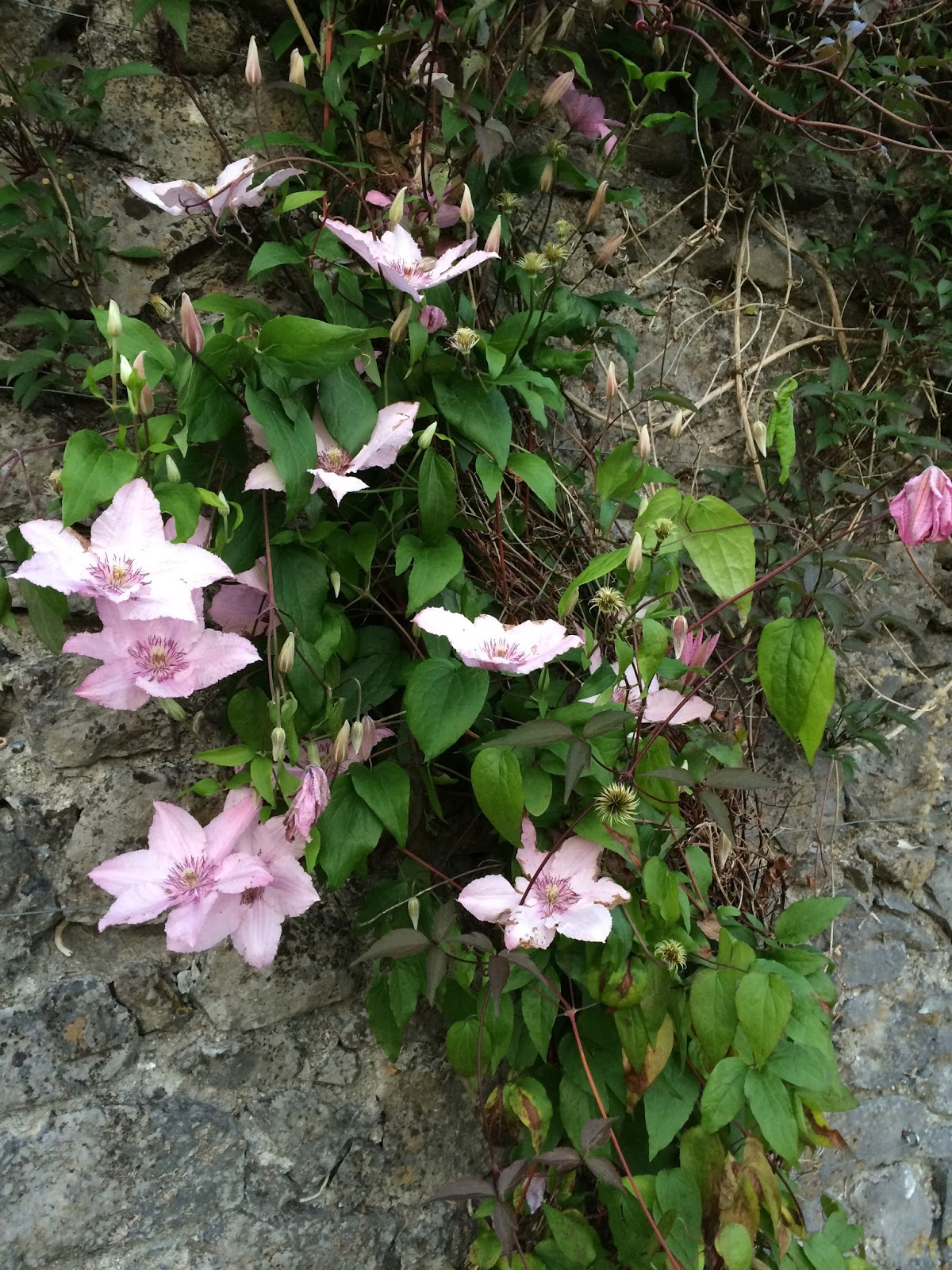
Bloom of a clematis...
...and the seeds forming...
...and the vine.
A landscaped garden.
It takes a good deal of work to keep the shrubs in this kind of shape.
A cottage garden.
Some kind of cranesbill


Walk along the Suir River in Cahir, County Tipperary:

River walk to the Swiss Cottage in Cahir, County Tipperary
Smaller trails moved away from the main path down to the River Suir.
This woods is a heron rookery.

I want to go back and walk down all the paths.
We are going with Ivy broomrape (it could be the common broomrape, but because it grows on the roots of holly and this one is in the middle of a patch of holly, I think we got it.
Ivy Broomrape (fascinating plant - grows on the roots of the ivy, produces no chlorophyll, grows in woodlands)


Bracket on a tree.

Perhaps it is just that the thistles are blooming everywhere, but it seemed that every time I took a photo there was a bee or butterfly.
We were coming to the end of the path.
Sycamore seeds along the path.
Hart's tongue fern
Yet another path through the carpet of ivy.
And more fuchsia
It looks like a kalanchoe in the middle.


Columbine?
I'm guessing a crane's bill of one sort or another.
There are so many wild peas, but this is the domestic sweet peas. My father used to grow these along our back fence. They are perfect in a cottage garden.

And meanwhile, in Fetherd Town, County Tipperary:

I love this crazy combination of trees and vines.
Ivy-covered and gorgeoust,  is found on the walk along the Clashawley River.
The old north gate is overrun with wallflowers and ivy.
The wind was so brisk I had to hold these flowers still. A willowherb, perhaps.
Rag wort?

Final views of the countryside, just because:

Dingle Peninsula view with fuchsia.
Kinsale Harbor, County Cork
Sunset in Skibbereen, County Cork
Outside Mitchelstown Cave, County Tipperary


Near Dunbeg Stone Circle, County Cork
Barley Cove Beach, County Cork
Evening in Skibbereen, County Cork


Dingle Peninsula, County Kerry

Another view - Dingle
On the road I
On the road II
The Burren, County Clare
Near Gort, County Galway
River Suir, County Tipperary

NOTES:

This is easy. The post will evolve as I identify more and locate additional photos.

I used two online resources and a book that has taken leave for the moment. I'll include the information when it appears again. 

Two great online resources:

http://www.wildflowersofireland.net/index.php
http://www.irishwildflowers.ie/index.html